









What if the best AI assistant in 2026 isn’t the one you’re currently using?
- What Is Claude AI?
- Claude AI Models: The 2026 Lineup Explained
- Claude AI Features: What Sets It Apart
- Claude AI Pricing Plans (2026)
- Claude AI vs. ChatGPT vs. Google Gemini (2026 Comparison)
- Real-World Use Cases: Who Should Use Claude AI?
- Claude AI Performance: Benchmark Snapshot
- Pros and Cons of Claude AI
- Frequently Asked Questions (FAQ)
- Final Verdict: Is Claude AI Worth It in 2026?
In just a few years, Anthropic’s Claude has gone from a quiet challenger to one of the most serious AI platforms on the planet. With a $380 billion valuation, over $30 billion in annualized revenue, and a model family powering everything from solo developers to Fortune 500 enterprise pipelines, Claude AI is no longer an underdog story — it’s the benchmark.
This Claude AI review covers everything you need to make an informed decision: the full model lineup (Haiku, Sonnet, Opus), real-world performance across key use cases, honest pros and cons, pricing breakdowns, and how Claude stacks up against ChatGPT and Google Gemini in 2026.
Let’s get into it.
What Is Claude AI?
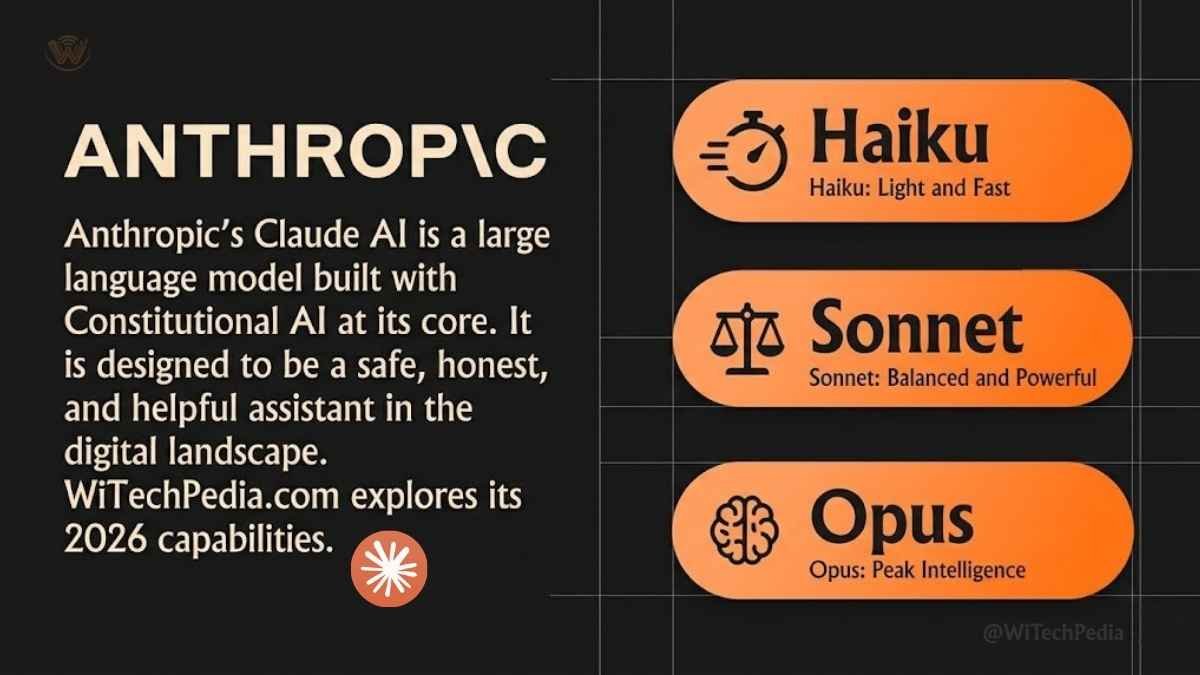
Claude AI is a family of large language models (LLMs) built by Anthropic — an AI safety company founded in 2021 by Dario Amodei and Daniela Amodei, both former VP-level leaders at OpenAI. Anthropic’s core thesis is simple but ambitious: build AI that is simultaneously powerful and safe.
Claude is available as:
- A consumer chat app at claude.ai
- A developer API for building applications
- An enterprise platform with governance, security, and team management features
Unlike many AI assistants built around maximizing engagement, Claude is architected around Constitutional AI — a framework that trains the model to be helpful, harmless, and honest from the ground up. That philosophy shapes every response Claude gives.
Claude AI Models: The 2026 Lineup Explained
The Claude AI review story starts here. As of mid-2026, Anthropic’s active model family consists of three tiers — each designed for a distinct speed-capability tradeoff.
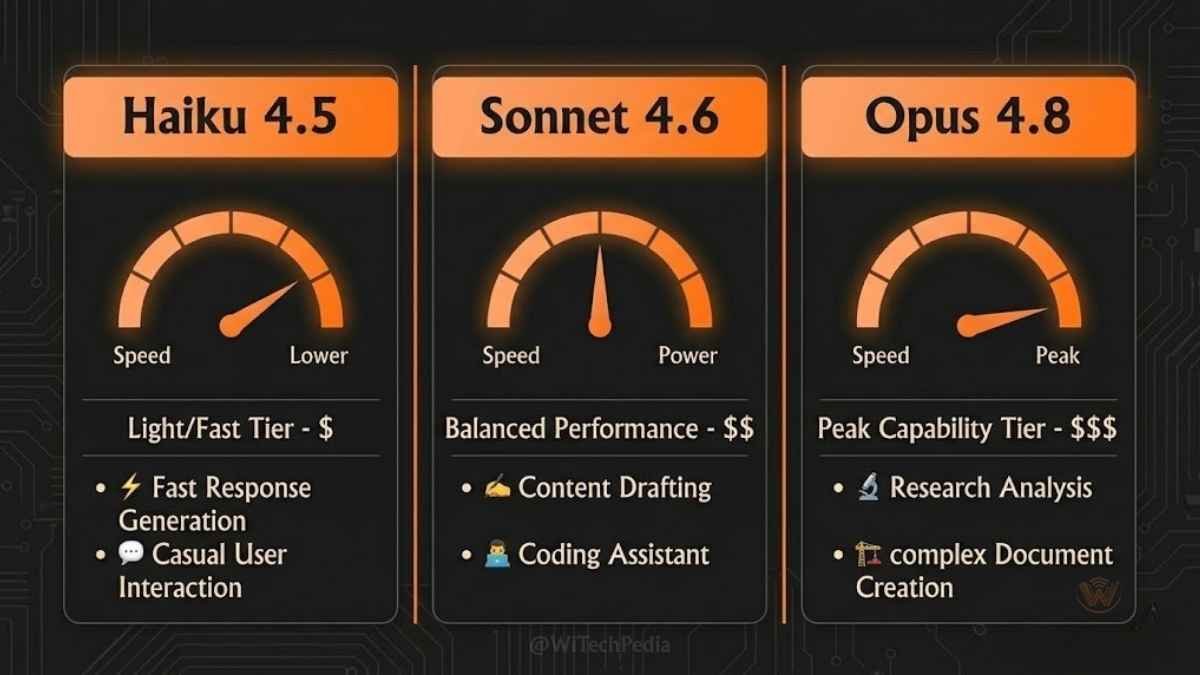
Claude Haiku 4.5 — The Speed Champion
Best for: High-volume tasks, customer service bots, real-time applications, simple Q&A.
Claude Haiku 4.5 is Anthropic’s fastest and most affordable model. It handles lightweight inference at scale — the kind of throughput that makes or breaks production AI apps. If you’re building a chatbot serving thousands of concurrent users, Haiku is your engine.
- API pricing: ~$1/M input tokens · ~$5/M output tokens
- Latency: Sub-second for most requests
- Context window: 200K tokens
Haiku doesn’t match Opus in reasoning depth, but it doesn’t need to. For structured tasks, summarization, classification, and light generation work, it’s exceptionally competent.
Claude Sonnet 4.6 — The Workhorse
Best for: Developers, content creators, analysts, and most business workflows.
Sonnet 4.6 is the model most users interact with daily. It strikes the sweet spot between speed and intelligence — fast enough for conversational use, smart enough for complex reasoning, coding, and nuanced writing.
- API pricing: ~$3/M input tokens · ~$15/M output tokens
- SWE-bench Verified score: Strong performance on real-world software engineering tasks
- Context window: 200K tokens
Most Claude Pro subscribers will spend the majority of their time here. Sonnet 4.6 handles multi-step reasoning, code generation, long-document analysis, and creative writing with impressive consistency.
Claude Opus 4.8 — The Powerhouse
Best for: Complex reasoning, agentic workflows, enterprise-grade tasks, extended thinking.
Launched May 28, 2026, Claude Opus 4.8 is Anthropic’s flagship model and among the most capable AI systems available to the public. It’s built for the tasks that break lesser models: legal document review, advanced research synthesis, multi-step code architecture, and long-horizon planning.
- API pricing (as of 2026): ~$5/M input tokens · ~$25/M output tokens (a 67% reduction from previous Opus generations)
- Context window: Up to 1 million tokens on higher-end configurations
- Extended thinking: Enabled for complex multi-step reasoning
The 67% price cut on Opus tokens is the biggest pricing story of 2026. What was once a premium reserved for the largest enterprises is now accessible to serious individual developers and growing teams.
Claude AI Features: What Sets It Apart
1. Context Window — Up to 1 Million Tokens
This is Claude’s most powerful differentiator. While many AI assistants cap out at 128K tokens, Claude supports context windows up to 1 million tokens on higher-tier models. To put that in perspective:
- An entire software codebase
- A full legal contract suite
- A 700-page research report
- Months of email threads
All processable in a single conversation. This fundamentally changes how professionals interact with AI — less copy-pasting, more complete context.
2. Claude Code — The Developer’s Weapon
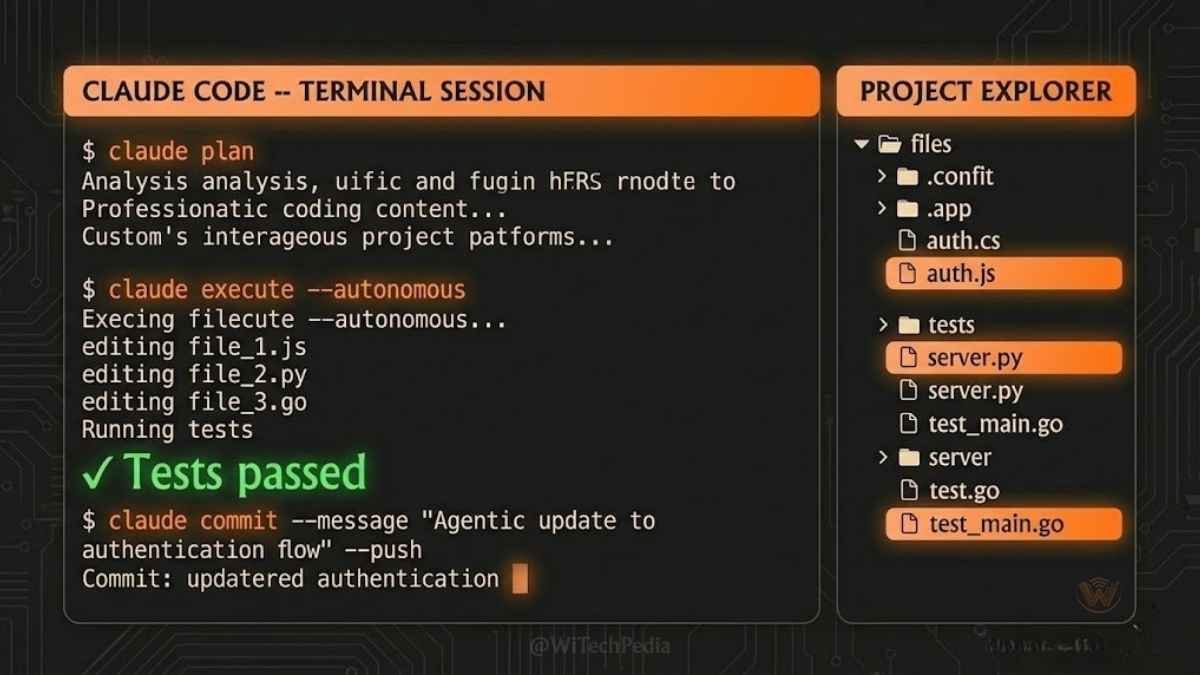
Claude Code is a terminal-native agentic coding tool that operates directly inside your development environment. It’s not a code autocomplete plugin — it’s a full agent that can:
- Read and understand entire codebases
- Plan and execute multi-file engineering tasks
- Run tests, catch failures, and self-correct
- Commit code to version control
Senior engineers consistently rate Claude Code above competing tools for agentic, multi-step development work. It’s included with Claude Pro and higher plans.
3. Artifacts — Live Interactive Previews
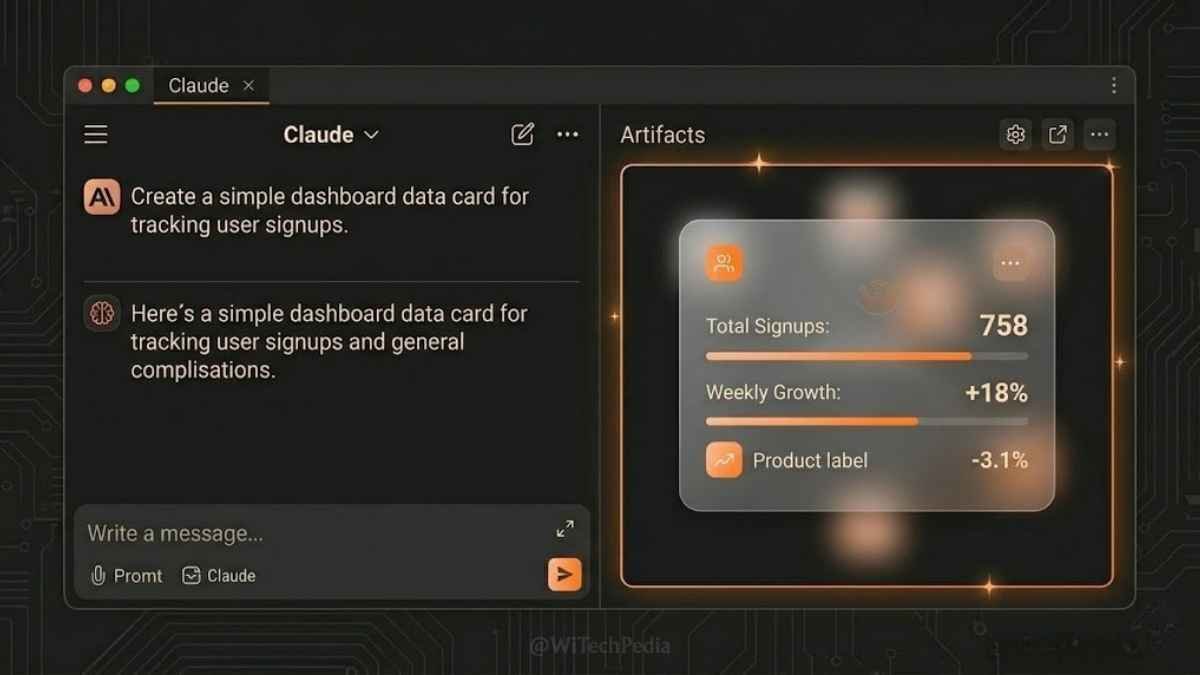
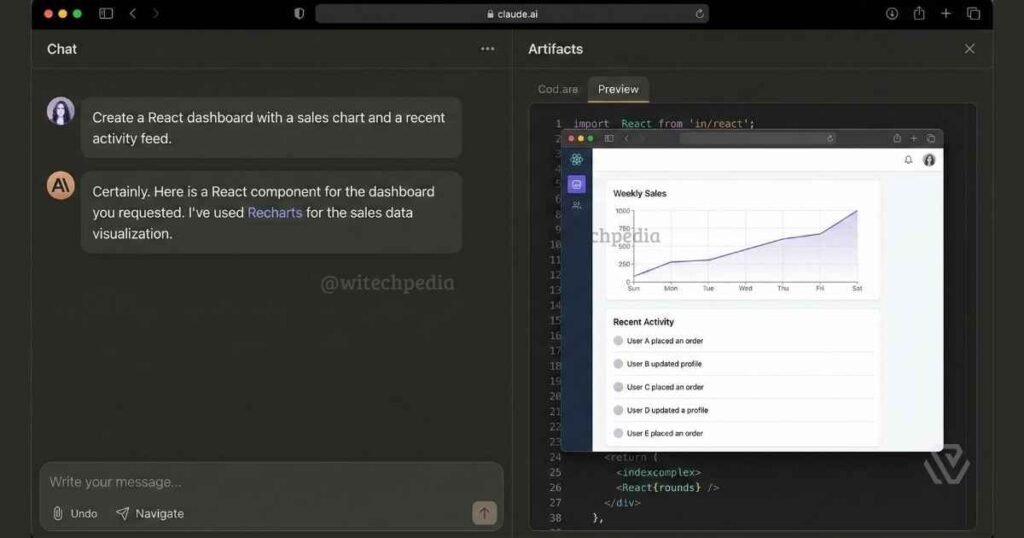
Ask Claude to build a dashboard, a form, or a data visualization — and it generates a live, interactive preview using HTML, React, or SVG directly inside the chat. No deployment. No local setup. Instant feedback.
This is transformative for:
- Product managers prototyping UI concepts
- Designers testing layout ideas
- Developers quickly validating logic
4. Constitutional AI — Safety Built In
Claude’s responses are shaped by Constitutional AI, Anthropic’s proprietary training approach. Rather than relying solely on human feedback to suppress harmful outputs, Claude is trained on a set of principles that guide its behavior at the model level.
The result: Claude is notably more honest about what it doesn’t know, more consistent in tone, and less prone to confident hallucinations than many competing models. This matters enormously for enterprise deployments where accuracy and auditability are non-negotiable.
5. Model Context Protocol (MCP) — The Integration Standard
Anthropic open-sourced MCP to solve what engineers call the “N×M integration problem” — the chaos of every AI tool building custom connectors to every data source. MCP is an open standard that lets Claude connect cleanly to external tools, databases, APIs, and services.
In practical terms: Claude can now plug into your existing tech stack — Slack, Google Drive, Notion, Salesforce — without bespoke engineering work for every integration.
Claude AI Pricing Plans (2026)
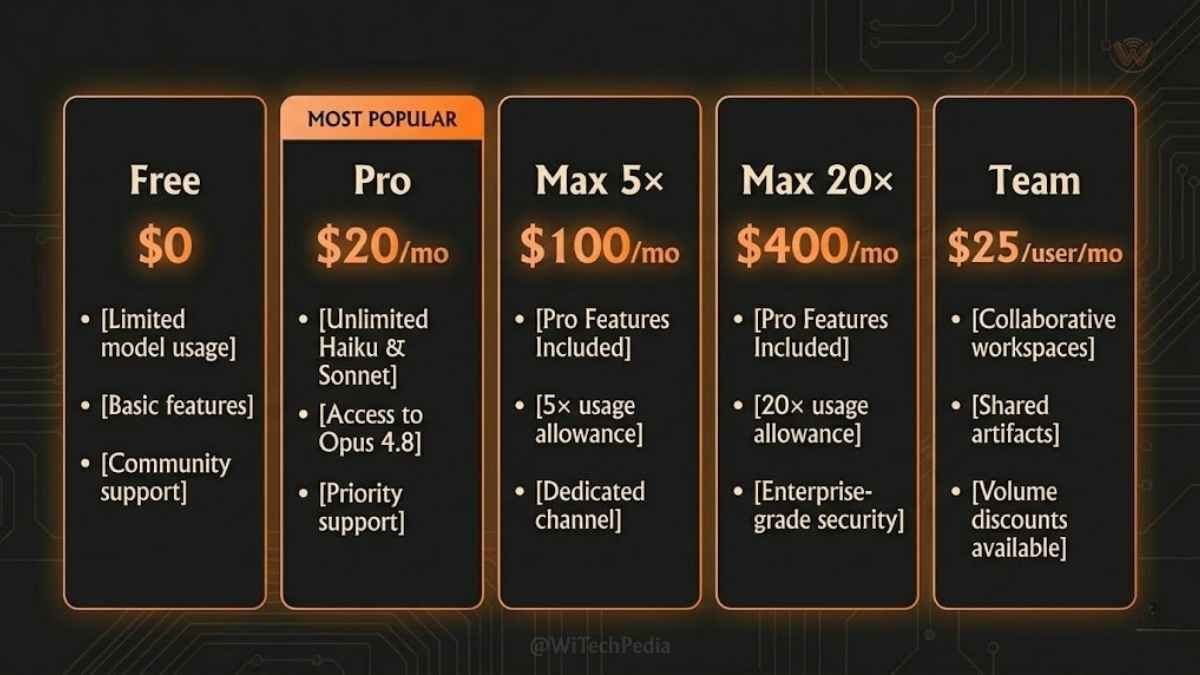
Understanding Claude AI pricing is essential before committing to a plan.
| Plan | Price | Best For | Key Features |
|---|---|---|---|
| Free | $0/month | Casual users, students | Limited usage, restricted advanced model access |
| Pro | $20/month (~$17/mo billed annually) | Individuals, creators, developers | Claude Code, Projects, Google Workspace integration, Sonnet + Opus access |
| Max 5× | $100/month | Power users, high-volume professionals | ~5× Pro usage limits, priority access, peak performance |
| Max 20× | $200/month | Heavy enterprise users | ~20× Pro usage limits, maximum throughput |
| Team | Per-seat pricing | Collaborative teams | Shared workspaces, admin controls, SSO |
| Enterprise | Custom | Large organizations | Custom context, governance, SLAs, on-prem options |
API Pricing (per 1M tokens):
| Model | Input | Output |
|---|---|---|
| Haiku 4.5 | $1.00 | $5.00 |
| Sonnet 4.6 | $3.00 | $15.00 |
| Opus 4.8 | $5.00 | $25.00 |
Cost optimization strategies:
- Prompt caching: Up to 90% savings on repeated context
- Batch API: 50% discount on non-real-time workloads
- Combined: reduce effective API spend by up to 95% for the right workloads
A typical developer building a production app on Claude Sonnet 4.6 spends approximately $50–$200/month in API costs depending on message volume and complexity. Migrating to Haiku 4.5 for appropriate tasks can cut that by 75%.
Claude AI vs. ChatGPT vs. Google Gemini (2026 Comparison)
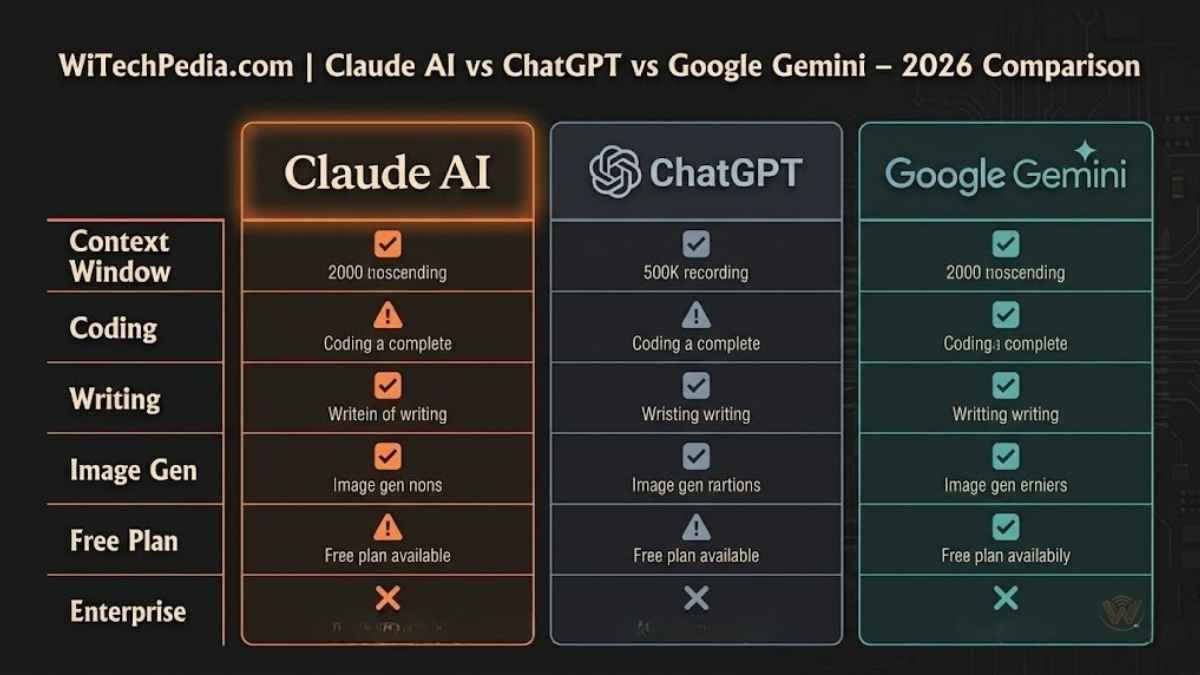
| Feature | Claude AI | ChatGPT (GPT-4o) | Google Gemini |
|---|---|---|---|
| Context Window | Up to 1M tokens | 128K tokens | 1M tokens (Ultra) |
| Coding (SWE-bench) | ⭐⭐⭐⭐⭐ Excellent | ⭐⭐⭐⭐ Very Good | ⭐⭐⭐ Good |
| Long-form Writing | ⭐⭐⭐⭐⭐ Best-in-class | ⭐⭐⭐⭐ Very Good | ⭐⭐⭐ Good |
| Image Generation | ❌ Not available | ✅ DALL-E 3 | ✅ Imagen 3 |
| Free Plan | ✅ Yes | ✅ Yes | ✅ Yes |
| Agentic Coding Tool | ✅ Claude Code | ✅ Codex/Operator | ⚠️ Limited |
| Safety Architecture | Constitutional AI | RLHF + safety filters | Responsible AI |
| Plugin Ecosystem | MCP (open standard) | GPT Store (wide) | Google services |
| Enterprise Readiness | ⭐⭐⭐⭐⭐ | ⭐⭐⭐⭐ | ⭐⭐⭐⭐ |
Bottom line: Claude leads on writing quality, long-context reasoning, and agentic coding. ChatGPT wins on breadth of plugins and image generation. Gemini has Google Search integration advantages. The best choice depends entirely on your primary use case.
Real-World Use Cases: Who Should Use Claude AI?
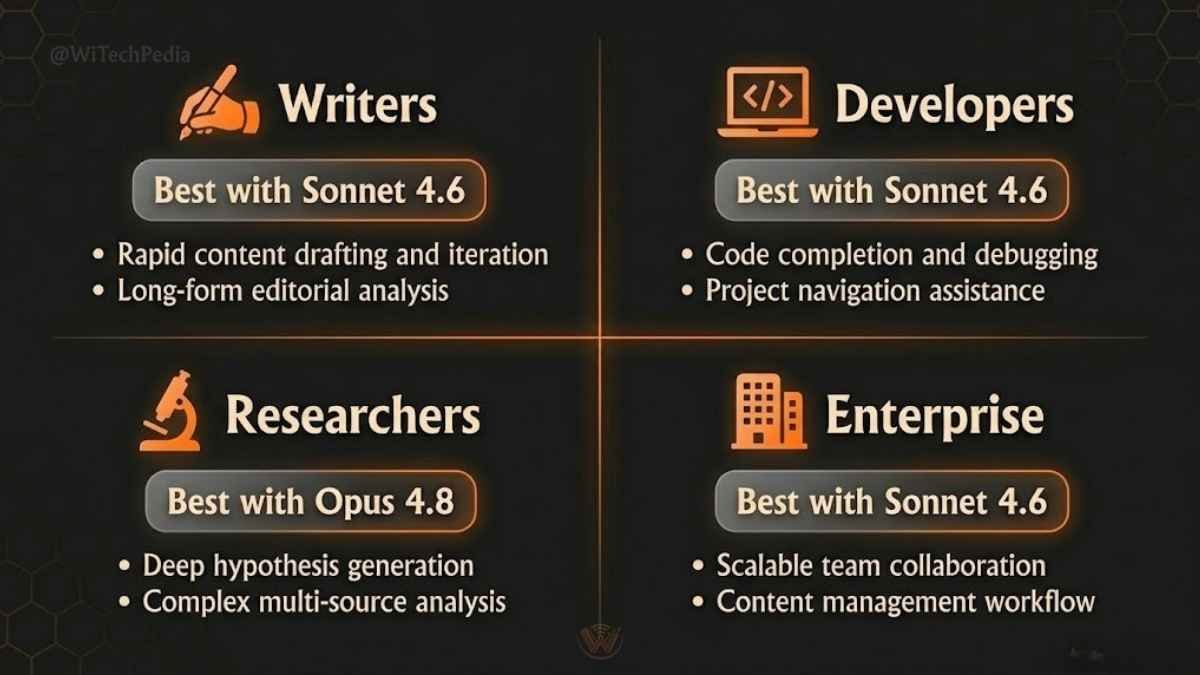
✅ For Writers and Content Creators
Claude produces some of the most natural, well-structured long-form content of any AI assistant. It maintains consistent voice across extended documents, handles nuanced editorial tasks, and avoids the stilted AI cadence that plagues lesser models. If you’re writing reports, articles, or books with AI assistance — Claude belongs at the top of your list.
✅ For Developers and Engineers
Claude Code is the headline feature here. The ability to drop Claude into your terminal, point it at a codebase, and have it plan, write, test, and commit changes is genuinely powerful. SWE-bench scores confirm what developers report anecdotally: Claude handles real engineering work, not just toy examples.
✅ For Researchers and Analysts
A 1-million-token context window changes research workflows entirely. Upload entire literature reviews, financial datasets, or legal suites. Claude reads everything, maintains context, and synthesizes across documents with a precision that feels qualitatively different from chunked approaches.
✅ For Enterprise and Legal Teams
Anthropic’s Constitutional AI approach produces an assistant that enterprise legal and compliance teams can actually trust. It’s honest about uncertainty, consistent in reasoning, and auditable in a way that matters when the stakes are high.
⚠️ Where Claude Falls Short
- No native image generation — you’ll need Midjourney, DALL-E, or Stable Diffusion for visual content
- No real-time internet browsing on free/basic tiers (available via integrations on higher plans)
- Rate limits on free plan are more restrictive than some competitors
- Not ideal for SEO-specific workflow templates out of the box
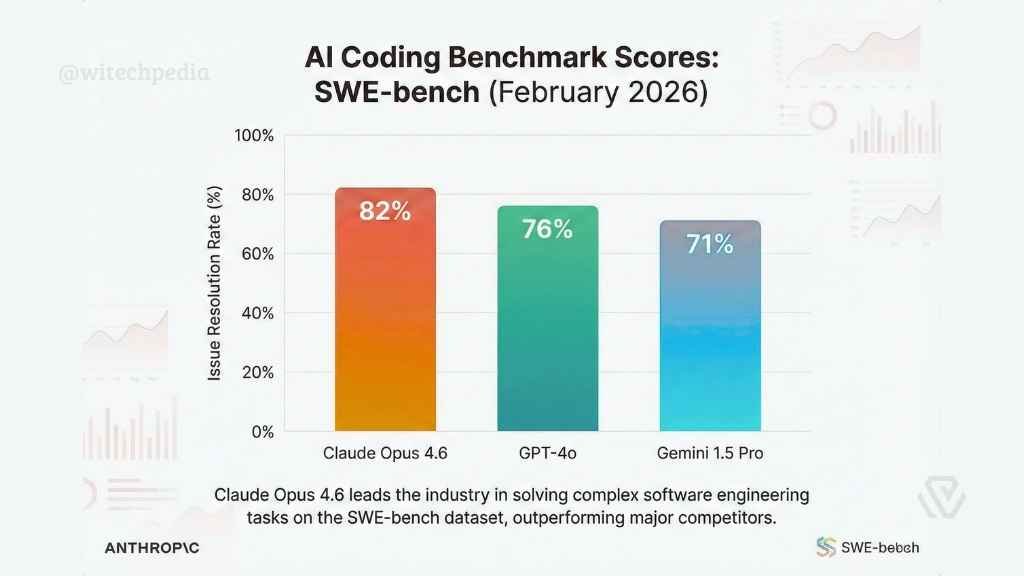
Claude AI Performance: Benchmark Snapshot
| Benchmark | Claude Opus 4.8 | GPT-4o | Notes |
|---|---|---|---|
| SWE-bench Verified | Top-tier | Competitive | Real software engineering tasks |
| MMLU (Knowledge) | 89%+ | 88%+ | General knowledge breadth |
| HumanEval (Coding) | Excellent | Excellent | Code generation accuracy |
| Long-context recall | Best-in-class | Good | Where 1M context shines |
| Constitutional honesty | Native | Filtered | Architectural difference |
The most important benchmark isn’t a number — it’s the consistency and calibration of answers under real professional workloads. Claude’s Constitutional AI architecture means it tends to express appropriate uncertainty rather than confidently hallucinating, which matters far more in production environments than raw benchmark scores.
Pros and Cons of Claude AI
✅ Pros
- Best-in-class long-form writing — nuanced, structured, and human-sounding
- Up to 1M token context window for handling massive documents
- Claude Code is the most capable terminal-native AI coding agent available
- Constitutional AI produces honest, calibrated, auditable responses
- 67% reduction in Opus API pricing makes enterprise-grade capability accessible
- MCP open standard simplifies integration with existing tech stacks
- Artifacts enable live interactive UI previews inside chat
- Strong enterprise governance for regulated industries
⚠️ Cons
- No native image generation capability
- Free plan usage limits are restrictive
- Real-time web browsing limited on lower tiers
- Fewer third-party plugins than ChatGPT’s ecosystem
- Opus latency is higher than Sonnet — not ideal for speed-critical apps
Frequently Asked Questions (FAQ)
Is Claude AI free to use?
Yes. Claude AI offers a free tier at claude.ai with usage quotas and restricted access to advanced models. For unlimited access to Claude Sonnet 4.6 and Opus 4.8, Claude Pro ($20/month) is the entry-level paid plan. The free tier is a capable option for students and casual users but hits rate limits quickly under professional workloads.
How does Claude AI compare to ChatGPT in 2026?
Claude outperforms ChatGPT on long-form writing quality, long-context document analysis (1M vs. 128K tokens), and agentic coding via Claude Code. ChatGPT has advantages in image generation (DALL-E), a broader third-party plugin ecosystem, and wider integration with consumer services. For research, technical writing, and coding workflows, Claude is the stronger choice. For multi-modal and creative consumer use cases, ChatGPT offers more breadth.
What is Claude Code and is it included in Claude Pro?
Claude Code is a terminal-native AI coding agent that can read entire codebases, plan and execute complex development tasks across multiple files, run tests, and commit code to version control. It’s not a code autocomplete tool — it’s a full agentic engineer. Claude Code is included with Claude Pro ($20/month) and higher plans.
What is the context window for Claude AI?
Claude models support a 200K token context window as standard, with up to 1 million tokens available on higher-tier Opus configurations. A 1M token context window can hold roughly 750,000 words — sufficient to process entire codebases, full legal contract suites, or comprehensive research datasets in a single session.
Is Claude AI safe and reliable for enterprise use?
Yes. Anthropic’s Constitutional AI framework trains Claude to be honest, harm-avoiding, and consistent at the model level — not just via output filters applied after the fact. Enterprise plans include SSO, admin governance, audit trails, data privacy controls, and SLA commitments. Claude is used extensively in regulated industries including legal, finance, and healthcare for exactly this reason.
What is Claude AI pricing for the API in 2026?
Claude API pricing in 2026 (per 1 million tokens): Haiku 4.5 at $1 input / $5 output, Sonnet 4.6 at $3 input / $15 output, and Opus 4.8 at $5 input / $25 output. Batch API processing offers a 50% discount, and prompt caching can reduce costs by up to 90% on repeated context. Combining both strategies can reduce effective spend by up to 95%.
Can Claude AI generate images?
No. As of mid-2026, Claude AI does not have native image generation capability. For visual content creation, you’ll need dedicated tools like Midjourney, Stable Diffusion, or Adobe Firefly. Claude excels at writing prompts for these tools and can generate SVG graphics and HTML/CSS visual components natively within its Artifacts feature.
Final Verdict: Is Claude AI Worth It in 2026?
After thoroughly reviewing Claude AI’s models, features, pricing, and real-world performance, the verdict is clear: Claude is the best AI assistant in 2026 for writing, research, and complex reasoning — and a top-tier choice for serious developers.
Key Takeaways
- Claude Opus 4.8 is among the most capable AI models available, now at dramatically reduced pricing — the 67% cost reduction is a genuine game-changer for enterprise adoption.
- The 1M token context window unlocks entirely new workflows for analysts, researchers, lawyers, and engineers dealing with large document sets.
- Claude Code represents the most mature agentic coding capability available in a commercial AI product today.
- Constitutional AI makes Claude the most trustworthy option for high-stakes professional use cases where accuracy, honesty, and consistency aren’t optional.
- The free plan is real — genuinely useful for exploration — but the true value starts at Pro ($20/month).
If you’re a developer, writer, researcher, or enterprise team lead still treating Claude as a secondary option, this is the year to reconsider. The gap between Claude and the field has widened in Anthropic’s favor.